
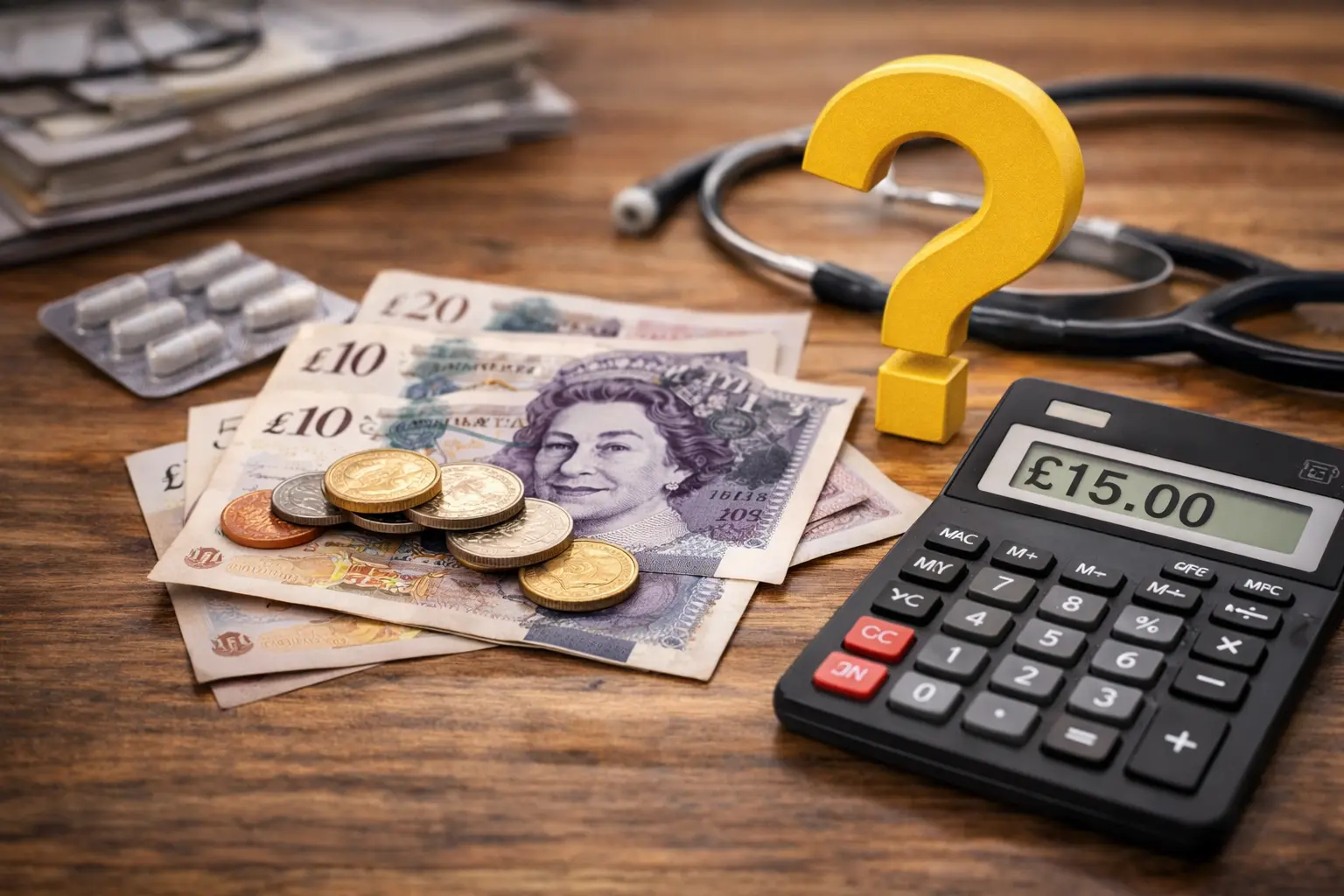
As winter temperatures drop across the UK, many households are struggling to keep up with the rising cost of heating. With energy bills still high, campaigners and financial experts are urging the government to consider increasing the Cold Weather Payment, arguing that the current £25 support may no longer be enough to help families stay warm.
The payment is designed to provide financial help during extremely cold periods, but growing living costs have sparked debate over whether the amount should be increased.
Below is an overview of how the scheme works, who qualifies, and why some people believe changes may be necessary.
How the Cold Weather Payment Scheme Works
The Cold Weather Payment is a government support program managed by the Department for Work and Pensions (DWP). It provides financial assistance to people receiving certain benefits when temperatures drop to extremely low levels.
Key features of the scheme include:
-
A £25 payment for each qualifying cold weather period
-
Temperatures must fall to 0°C or below for seven consecutive days in a local area
-
The program runs between 1 November and 31 March
If a region experiences more than one qualifying cold spell during the winter months, eligible households can receive multiple payments.
Payments are automatically sent to the same bank account used for benefit payments.
Who Can Receive the Payment?
Millions of people across the UK may qualify for the Cold Weather Payment if they receive certain means-tested benefits.
Examples of qualifying benefits include:
-
Pension Credit
-
Income Support
-
Support for Mortgage Interest
If you receive one of these benefits and the temperature in your postcode area falls to the required level, the payment should be issued automatically.
Eligibility may also depend on personal circumstances, such as age, disability, or whether children live in the household.
Why Some Experts Want the Payment Increased
With living costs continuing to rise, many organisations believe the current payment amount is no longer sufficient to cover heating costs.
Financial wellbeing expert Matthew Sheeran from Money Wellness has said that £25 does not stretch very far when energy prices remain high.
Some experts and campaigners have suggested increasing the payment to:
-
£40 per cold period (an additional £15)
-
£50 per cold period (an additional £25)
Supporters of these proposals argue that higher payments would provide more meaningful help to households facing freezing temperatures and expensive heating bills.
When Payments Are Made
If your area experiences a qualifying cold spell, you do not need to submit an application.
The government monitors temperatures automatically based on postcode areas.
Once the cold period ends:
-
Payments are usually issued within 14 working days
-
The money is deposited into the same bank or building society account used for your benefits
Different System Used in Scotland
In Scotland, the Cold Weather Payment has been replaced with a different program known as the Winter Heating Payment.
Key features of this scheme include:
-
A single payment of £59.75 each winter
-
Payments made between December and February
-
The payment does not depend on temperature levels
Eligibility for the Winter Heating Payment is largely based on receiving similar benefits to those required for Cold Weather Payments in England and Wales.
Rising Heating Oil Costs Adding Pressure
Energy costs remain a major concern for many households. In particular, heating oil prices have risen sharply, partly due to global market pressures and tensions affecting oil supply.
The increase has had the biggest impact on:
-
Rural communities
-
Homes that are not connected to the gas network
-
Households that rely entirely on heating oil systems
Unlike gas and electricity, heating oil prices are not regulated by the energy price cap, meaning households must absorb the full cost when prices increase.
In some areas, the price of a 500-litre oil delivery has increased dramatically in a short period of time.
Steps That May Help Reduce Heating Costs
For households struggling to manage heating bills, there are several options that may provide additional support.
Possible actions include:
-
Joining local heating oil buying groups to access lower prices
-
Checking eligibility for the Warm Home Discount scheme
-
Applying for the Household Support Fund through local councils
-
Speaking with energy providers about spreading payments over time
Even small changes can help ease financial pressure during the coldest months of the year.
Growing Debate Over Winter Support
The Cold Weather Payment scheme remains an important safety net for vulnerable households when temperatures drop sharply.
However, with energy prices still high and living costs continuing to rise, many experts believe the £25 payment may no longer provide enough assistance to cover heating needs.
Increasing the payment to £40 or £50 per cold period could offer more meaningful help for households already facing financial strain.
For now, the system continues to provide automatic support for eligible households. Checking your eligibility and exploring other assistance programs can help ensure you receive all available help during winter.
Frequently Asked Questions
How much is the Cold Weather Payment?
The payment is currently £25 for each seven-day period when temperatures drop to 0°C or below in your area.
Do I need to apply for Cold Weather Payments?
No. If you qualify and the temperature conditions are met, the payment is made automatically.
How long does it take to receive the payment?
Most payments are issued within 14 working days after the qualifying cold weather period ends.
Can you receive more than one payment in winter?
Yes. If your area experiences several qualifying cold periods during the winter, you may receive multiple payments.
What replaces Cold Weather Payments in Scotland?
Scotland uses the Winter Heating Payment, which provides a one-off payment of £59.75 each winter regardless of temperature levels.